Design and application considerations for carpet tiles
Room suitability and aesthetic impact
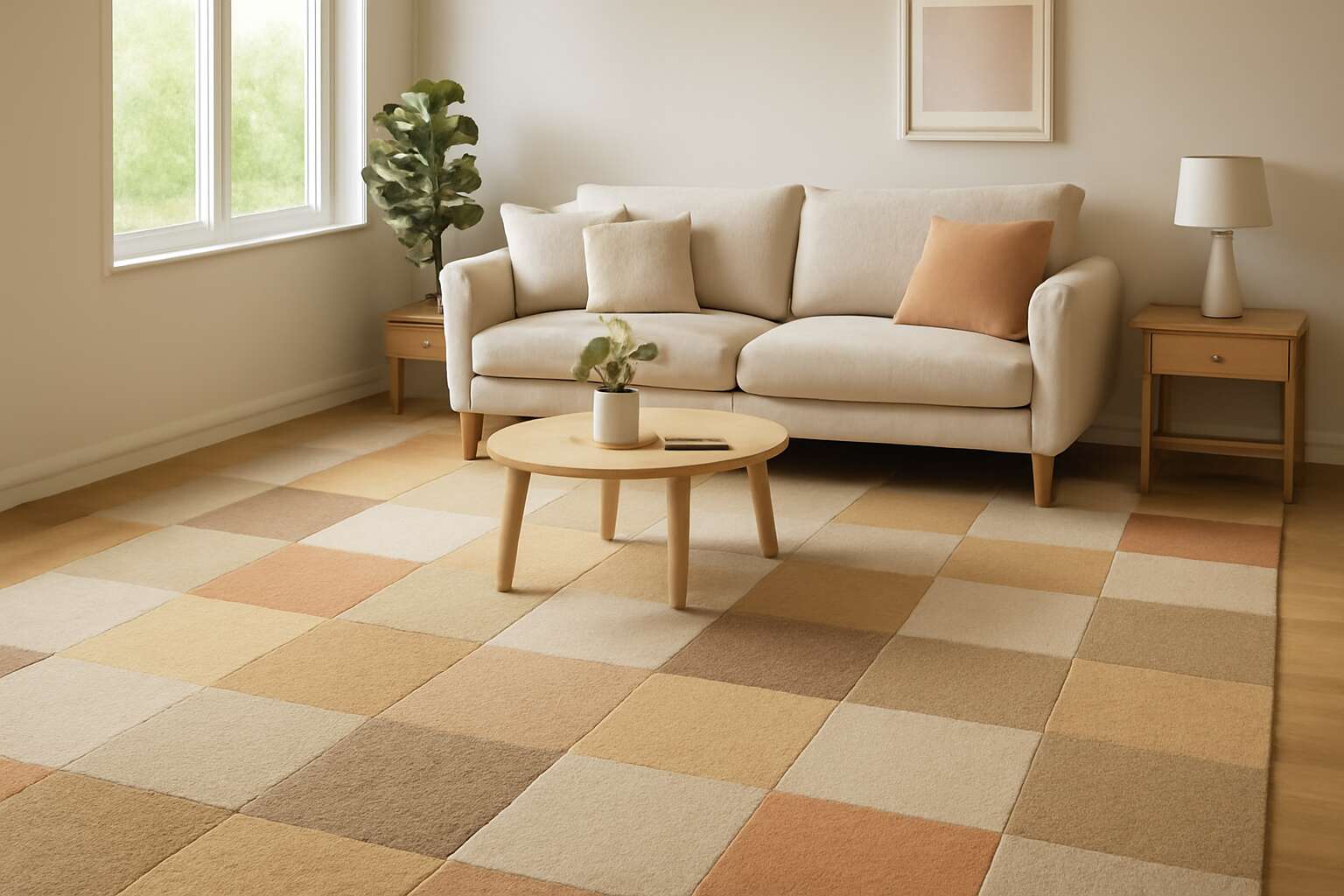
Carpet tiles for floor can shift a room’s energy faster than a new coat of paint. In South Africa, where sun, heat, and foot traffic shape a space, modular tiles let you tailor mood floor by floor—reception calm, corridors dynamic, meeting rooms focused. The magic lies in balancing pattern, color scale, and texture so the eye flows freely and the space stays legible.
Key design levers include:
- Pattern and layout (grid, herringbone, or random placements)
- Color storytelling and contrast with existing finishes
- Texture and pile height to influence acoustics and warmth
- Edge details and transitions to doorways or stairs
Done well, the room breathes; the aesthetic impact is immediate and durable, quietly steering how occupants move, interact, and feel.
Pattern options and layout ideas
Floor rhythm shapes how people move through a space—and in South Africa, the rhythm of a floor can shift mood by up to 20%. In sunlit corridors and busy reception zones, the right tile pattern can sway pace faster than a fresh coat of paint. Carpet tiles for floor offer a modular way to craft that rhythm floor by floor, guiding attention, acoustics, and flow with nimble precision.
Pattern options and layout ideas set the tempo. A clean grid keeps corridors calm; a herringbone twist injects motion; a randomized mix creates curiosity without chaos.
- Grid: orderly alignment that preserves legibility
- Herringbone: diagonal energy that guides movement
- Random: organic texture that disguises wear
Edge details and transitions to doorways or stairs frame the experience, while texture and pile height subtly influence acoustics and warmth across zones.
Color, texture, and fiber choices
“The floor is the quiet engine of a space,” a SA designer likes to say, and carpet tiles for floor colors can hum that engine to life. When selecting carpet tiles for floor, color palettes anchor wayfinding and mood, while texture adds tactile depth that reads under light and footfall. Here, color, texture, and fiber become dialogue rather than decoration—letting light and movement decide the rhythm.
- Color: soft neutrals for calm corridors, richer tones to delineate zones, and subtle speckling to mask wear yet keep legibility in long sightlines. Carpet tiles for floor thrive on measured contrast that guides attention without shouting.
- Texture and pile height: low-pile, tightly woven options suit high-traffic areas; patterned textures add depth in reception pockets; a plush, dense texture warms mid-size offices.
- Fiber choices: nylon offers durability and stain resistance; PET blends champion sustainability with softness; consider solution-dyed fibers for shade stability in South Africa’s sun.
Practicality in SA means resilience against sun and soil; durability and easy replacement are built into carpet tiles for floor. With local service, colourfastness and consistent performance across atria, corridors, and offices stay intact season after season.
Acoustic and thermal performance benefits
“The floor is the quiet engine of a space,” and for South African interiors it deserves a tuned, tactile conversation. When deployed with intention, carpet tiles for floor become acoustic anchors and thermal buffers, guiding movement and mood as footsteps rise and recede through open plans.
- Acoustic performance: targeted absorption reduces ambient echo and chatter in open offices and reception pockets.
- Thermal comfort: underfoot warmth helps balance cool morning air and hot afternoon sun without overworking climate control.
- Maintenance flexibility: modular tiles allow quick, unobtrusive replacement in high-traffic zones, preserving continuity.
Edge detailing, service access, and layout rhythm matter as much as color and pattern—ensuring transitions read as a seamless floor narrative across corridors and foyers.
Commercial versus residential applications
Floor as the opening act: the tempo of a space is set with every step, and in SA that rhythm starts with carpet tiles for floor. “The floor is the stage for every step,” notes a facilities manager who’s seen more open-plan theatrics than a critic. Commercial vs residential demand different scales and durability targets.
- Commercial settings prize durability, high-traffic resilience, and quick, discreet replacement to preserve a seamless look.
- Residential spaces favor softer textures, warmer palettes, and pattern scales that suit daily living.
- Across both, edge detailing and transition rhythm help the floor read as a single, continuous narrative.
From a design lens, the choice hinges on scale, tile size, and maintenance philosophy. Commercial interiors, larger tiles and tougher yarns speak to endurance; homes, gentler textures invite tactile warmth. Backing and warranties anchor longevity, letting carpet tiles for floor carry a space’s personality without becoming a chore.
Materials and performance overview
Tufted vs loop pile carpet tile constructions
Foot traffic never lies! In South Africa’s bustling offices and hospitality spaces, the right materials translate into lasting appeal. Carpet tiles for floor performance hinges on a choice between tufted and loop pile constructions, shaping texture and how a space ages—wear patterns tell the truth.
Tufted carpet tiles tend to offer a plush, cut-pile surface, while loop-pile tiles favor uniform texture and crushing resistance.
- Tufted: cut-pile aesthetics with nylon or PET blends
- Loop-pile: textured, durable for high traffic
Materials matter: nylon, PET, or polypropylene fibers paired with sturdy backings shape stain resistance and maintenance. For carpet tiles for floor, the fiber mix quietly scripts performance and personality.
Fiber options and durability (nylon, polyester, blends)
“Foot traffic never lies,” and in South Africa’s bustling offices the wear tells you the truth: roughly 60% of visible scuff marks reveal themselves within year one.
Materials matter for carpet tiles for floor. Nylon and PET blends offer enduring durability and stain resistance; polypropylene keeps costs friendly without sacrificing service life. Fiber options quietly script performance and personality.
Key fiber options include:
- Nylon: exceptionally strong, abrasion‑resistant, and shape‑retaining.
- PET (polyester): soft underfoot with excellent colourfastness.
- Blends: balanced performance, combining resilience with value.
In the end, the choice shapes aging, crush resistance, and maintenance cycles with discreet elegance.
Stain resistance and soil-hiding properties
In the humming corridors of South Africa’s offices, the floor tells a quiet, persistent truth. Stains and scuffs are not accidents—they are evidence of use, and the right materials mute them with a steady, shadowed grace. With carpet tiles for floor, wear and cleaning become a choreography, not a battle; roughly 60% of visible scuff marks reveal themselves within year one.
- Stain resistance: tight pile, resilient dyes, and sealed backing prevent spills from sinking in.
- Soil-hiding properties: micro-textures trap dirt at the surface, making tracks fade with a quick pass.
- Maintenance ease: spot-cleaning is simple, drying is swift, and deep cleans stay rare.
Material choice shapes aging and upkeep, with textures and resilient fibers guiding how dirt dances on the surface and how easily stains lift away. In the end, carpet tiles for floor offer a quiet elegance that keeps South African workspaces legible and presentable.
Backing systems and installation methods
The floor never lies, as a facilities manager puts it: “It carries the rhythm of every day.” With carpet tiles for floor, you gain a surface that adapts to movement and traffic without shouting for attention. Materials and backing systems shape longevity as fiber choices do.
Backings provide stability and moisture management for varied SA climates and busy offices. The following options influence grip, permanence, and cleanability:
- PVC or vinyl-backed for light to medium traffic
- PU foam or urethane for cushion and comfort
- Bitumen or felt for heavy-duty floors
- Non-woven or latex-bonded for easy edge-to-edge laying
Installation methods offer flexibility for quick reconfiguration and minimal downtime. Glue-down, loose-lay, and click-lock systems match subfloor conditions and maintenance regimes, letting teams swap patterns or reconfigure layouts without major disruption. This keeps carpet tiles for floor looking sharp in South Africa’s offices.
Environmental impact and sustainability considerations
A busy SA office floor tells its story in footsteps—every step adds to performance. Carpet tiles for floor blend resilient fibers with modular design to handle traffic without shouting for attention. They guard color, simplify maintenance, and allow targeted tile replacement to keep large areas looking fresh.
Environmental impact and sustainability considerations matter as much as look and feel. Materials and production choices affect energy use, waste, and indoor air quality. Seek solutions with recycled content, durable construction, and take-back options; favour low-VOC binders and adhesives; and think in terms of lifecycle to minimise landfill.
- Recycled content and take-back programs
- Low-VOC emissions for healthier spaces
- Extended replacement cycles reduce waste
Installation, maintenance, and care
Preparation and subfloor requirements
Flooring wins happen when planning precedes pinching pennies. A smart install of carpet tiles for floor can slash refurbishment downtime by up to 40% in South Africa while keeping future repairs painless and fashionable.
Preparation and subfloor requirements matter more than mosaic math. You need a clean, dry, level surface, with no loose debris or adhesive residues. Allow tiles to acclimate in the installation space for 24–48 hours and do a dry layout before committing.
- Subfloor flatness and moisture considerations
- Tile acclimation in the installation space (24–48 hours)
- Dry-fit layout planning and starting-line marks
Maintenance and care are the quiet champions of longevity: vacuum regularly, avoid soaking, and use a mild, pH-balanced cleaner. Rotate exposed tiles to even wear and blot spills promptly. With the right approach, carpet tiles for floor stay vibrant and reliable across South African spaces.
Cutting, joining, and layout planning
Installation of carpet tiles for floor is where design and practicality share a sly grin. In South Africa’s sunlit spaces, precise cuts and clean joins lift a room from clutter to clarity, with layout planning guiding seams toward rhythm rather than chaos.
Maintenance and care act as the quiet custodians of longevity; they protect colour, texture, and comfort. A thoughtful approach—gentle maintenance and timely attention to mishaps—helps the material stay vibrant in busy foyers and intimate living rooms alike.
- Edge alignment with graceful tolerance
- Seam alignment for a seamless visual
- Layout planning to preserve pattern integrity across spaces
In this South African context, these choices render carpet tiles for floor both resilient and refined.
Adhesive types vs peel-and-stick vs floating systems
The floor speaks before a single footfall—installation is the hinge where design meets durability. In South Africa’s bustling spaces, the adhesive choice for carpet tiles for floor determines how the beauty holds up to sun, traffic, and time. A sound bond keeps seams neat and texture inviting, long after the initial rush fades.
Three paths compete for the surface:
- Adhesive types (cementitious or dispersion) for permanent installs with strong hold.
- Peel-and-stick systems for quick fitouts with minimal prep and fuss on carpet tiles for floor.
- Floating systems that interlock without direct subfloor bonding, ideal for adaptable layouts.
Maintenance and care follow, guarding color and texture whenever tiles are walked over or cleaned. Routine care and timely attention to mishaps help the material stay vibrant in busy foyers and intimate lounges alike.
Cleaning, spot treatment, and routine maintenance
Foot traffic writes the floor’s story, and installation is the hinge where beauty meets durability. In South Africa’s bustling spaces, a solid start matters: carpet tiles for floor should lock with seams tight and surfaces even, no matter the sun or shoes. Choose a path you trust—whether cementitious or dispersion adhesives for permanence, peel-and-stick for rapid fitouts, or floating interlocks for nimble layouts—so the design breathes without compromise.
Maintenance begins the moment the last tile settles. Cleaning, spot treatment, and routine maintenance guard color and texture as surely as a guardian would shield a crown. The simplest regime: regular vacuuming, prompt blotting of spills, and rotation to even out wear—each ritual keeping the surface vibrant in busy foyers and intimate lounges alike.
- Regular vacuuming helps extend life by lifting dust and grit
- Prompt blotting aids stain resistance after spills
- Rotation preserves even wear across the surface
Longevity tips and replacement strategies
Footsteps forge the floor’s legend, and in busy spaces a single day can log thousands of footsteps into carpet tiles for floor. The magic lies in modularity: each tile stands as a brave little island, ready to be replaced without a costly curtain-call on the entire surface.
Longevity tips and replacement strategies unfold as a quiet pact between design and care. With proper backing and colorfast fibers, carpet tiles for floor resist the long cathedral of wear, while seams maintain a calm horizon across corridors and lobbies.
- Modularity enables targeted replacement without a full refit.
- Durable backing and colorfast fibers help keep the look vibrant over years of traffic.
- Careful seam alignment and product compatibility support long-term performance.
In the South African milieu—where performance and aesthetics dance together—these choices keep spaces inviting for longer.
Buying guide, pricing, and ROI
Assessing room size, traffic, and wear patterns to choose tile specs
In high-traffic spaces, flooring wear drives maintenance costs. A striking stat: up to 30% of renovation downtime is tied to flooring repairs. Carpet tiles for floor lightens that load by enabling quick tile-level replacements, turning maintenance into a modular, predictable expense. The buying guide should focus on durability, ease of replacement, and long-term value—not just price.
Pricing for carpet tiles for floor varies with fiber, density, backing, and installation method. In South Africa, costs typically range per square metre, influenced by pattern, warranty, and supplier service. The ROI appears as longer life, easier spot replacements, and lower disposal and downtime costs.
To tailor tile specs, assess room size, traffic, and wear patterns. A quick checklist helps:
- Room dimensions and layout
- Foot traffic patterns and access points
- Stain risk and cleaning expectations
Understanding price ranges and cost-per-square-foot
Downtime costs are the cruelest boss of any renovation; a striking stat shows up to 30% of that downtime stems from flooring repairs. carpet tiles for floor lightens that load by permitting quick tile-level replacements, turning maintenance into a modular, predictable expense. The buying guide should emphasize durability, ease of replacement, and long-term value—not merely the sticker price.
In South Africa, pricing varies with fiber, density, backing, and installation method. In my experience, costs typically range per square metre, influenced by pattern, warranty, and supplier service. The ROI appears as longer life, easier spot replacements, and lower disposal and downtime costs.
Prices are typically quoted per square metre in South Africa, though many buyers think in cost-per-square-foot when comparing international bids. By focusing on durability and replacement ease, the long-term value loops back to lower downtime and disposal costs.
Warranty and service considerations
A striking stat anchors smart choices: downtime from flooring repairs can swallow up to 30% of a renovation timeline. Carpet tiles for floor lightens the load with tile-level replacements, turning maintenance into modular, predictable expenses.
Pricing in South Africa is typically quoted per square metre, shifting with fibre, density, backing, and installation method. Pattern, warranty, and supplier service push the total beyond the sticker price, while ROI reveals longer life, easier spot replacements, and lower downtime and disposal costs.
- Durability checks: abrasion resistance and pile integrity
- Backings and installation methods compatible with your subfloor
- Warranty terms: duration, coverage, and claim process
Warranty and service considerations: ensure clear coverage, responsive support, and a documented installation warranty to guard ongoing performance.
Shopping tips: samples, suppliers, and lead times
That downtime from flooring repairs can swallow up to 30% of a renovation timeline, and I’ve seen budgets gasp at the moment of truth. Carpet tiles for floor offer modular replacements and a ROI that even a spreadsheet would applaud—no epic teardown required.
In South Africa, pricing is quoted per square metre and shifts with fibre, density, backing, and installation method. Pattern, warranty, and supplier service push the total beyond the sticker price, yet longer life and easy spot replacements keep ROI compelling when downtime and disposal costs are weighed up.
- Samples
- Suppliers
- Lead times
Ultimately, carpet tiles balance price with uptime, maintenance ease, and a disposal footprint that won’t haunt your balance sheet.
ROI considerations and lifecycle value
Across South Africa’s refurbishments, downtime for flooring can swallow up to 30% of a project timeline. Carpet tiles for floor offer modular grace: swap a single tile, not the entire room, and keep the project moving. It’s a small revolution that keeps teams aligned and invoices sane!
Buying guide basics: price tells only part of the story. When shopping carpet tiles for floor, look beyond sticker price to fibre, backing, and installation method. Calibrate for lifecycle performance and maintenance ease, because the smart choice ages gracefully.
- Durability under expected traffic
- Ease of replacement and colorfastness
- Disposal and recycling options
Pricing and ROI considerations in South Africa hinge on square-metre quotes influenced by fibre, density, backing, and method. The lifecycle value shows up in less downtime, fewer full-room replacements, and a lower disposal footprint—ROI that even a spreadsheet would commend.

0 Comments