Design Fundamentals and Trends
Understanding 90-degree rotation patterns in carpet tiles
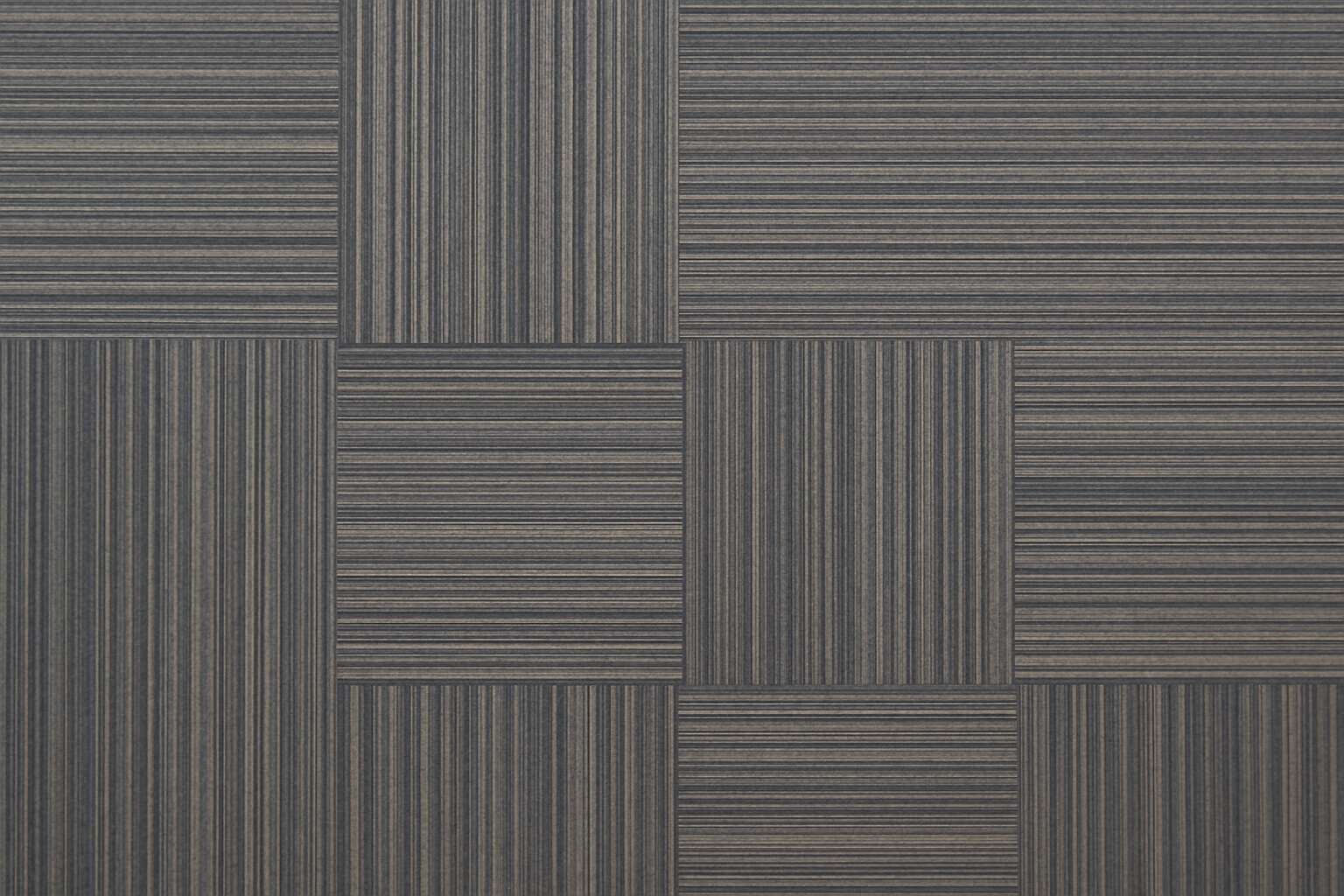
Floor design can turn a room’s mood in a quarter turn. In South Africa’s spaces, daylight plays across floors, and the carpet tile quarter turn pattern invites a living rhythm instead of a static stripe. “Design is a conversation between pattern and space,” a local designer notes, and the floors respond.
Understanding 90-degree rotation patterns means watching how edges meet, how color travels with motion, and how the eye reads a grid that shifts with each tile. The carpet tile quarter turn pattern adds depth without overwhelming the room, offering balanced energy from morning to night. I’ve seen spaces glow when angles align; the floor feels alive.
- Grout lines stay consistent
- Lighting keeps the surface legible
- Color and texture harmonize
These fundamentals anchor South Africa’s floors, turning daily surfaces into quiet stories underfoot.
Visual rhythm and space perception with rotated tiles
Rhythm underfoot has a surprisingly loud voice. In South African spaces, a carpet tile quarter turn pattern can make a room feel noticeably more alive, with perceived movement that can boost the sense of space by up to 8%.
Visual rhythm emerges as edges align and color travels through motion. The rotated pattern nudges the eye along a playful cadence, turning flat floors into a living grid rather than a plain stripe.
- Grout lines contribute a visual anchor to the rhythm
- Lighting interacts with the surface to keep the grid legible
- Color and texture unfold in harmony with tile turnover
As the eye moves, space perception shifts—tiles become tempo, not fixed flooring, and daylight plays along the grain of the pattern.
In South African design contexts, this approach to design fundamentals and trends keeps floors expressive without shouting, a quiet story underfoot.
Pattern variants enabled by quarter-turn layouts
Within South African spaces, a carpet tile quarter turn pattern grows into a room’s heartbeat, turning flooring into a language of motion. It can lift perceived space by as much as 8%, a subtle upheaval that designers translate into purposeful, tactile drama underfoot.
Design fundamentals—rhythm, proportion, contrast, and texture—are amplified when tiles tilt on their axes. The shift catches light differently, guiding the eye along graceful cadences. In SA environments, this quiet ingenuity keeps floors expressive without shouting.
- Checkerboard cadence with alternating rotations
- Chevron-inspired flow that guides movement
- Mosaic-like micro textures that soften contrasts
Pattern variants enabled by quarter-turn layouts offer designers a modern toolbox for spatial storytelling—subtle twists that respect daylight, grain, and the human scale.
Ultimately, this pattern anchors trend in timeless craft, a measured punctuation that makes South African interiors feel alive rather than loud.
Color and texture pairing strategies for dynamic floors
Across South Africa, the carpet tile quarter turn pattern can lift perceived space by as much as 8% when daylight dances along its angles. It becomes a language of motion rather than a mere floor covering, guiding the eye with a quiet cadence. The magic lies in how a rotation shifts light, tone, and texture so the room feels more expansive without shouting for attention. As surfaces tilt, the floor becomes a narrative of steps and shadows—an essential tool for intimate zones and grand lobbies alike.
- Anchor with warm neutrals and adjust brightness to mirror daylight.
- Hold a single hue steady while introducing depth with subtle shade variation.
- Layer textures—matte, boucle, and whisper-sheen—to catch light at different angles.
In SA interiors, this approach keeps floors expressive and refined, a dash of craft that respects daylight, grain, and human scale.
Material durability and performance factors in rotated patterns
The carpet tile quarter turn pattern behaves like a compass under a sunlit ceiling. In South Africa, daylight dancing along its angles can elevate perceived space by as much as 8%, turning floors into patient storytellers rather than static ground. This is design fundamentals meeting daylight—rhythm, proportion, and motion aligned in quiet, deliberate steps.
Durability is a choreography between fiber, backing, and wear layer, ensuring that rotated patterns stay elegant under foot traffic. Materials blend resilience with ease of maintenance, so the floor remains legible and refined across years.
- Abrasion resistance and surface wear
- Colorfastness to light and cleaners
- Backing integrity and dimensional stability
- Slip resistance and acoustic comfort
Trends favour sustainable fibers, refined textures, and modular palettes that move gracefully with rotation, preserving rhythm without shouting for attention.
Installation Patterns and Methods
Laying techniques for clean seams and alignment
South African offices know floors set the tempo of a day. A 2024 industry pulse reports 68% of facilities see fewer maintenance hiccups when seams stay clean. The carpet tile quarter turn pattern reshapes light and shadow underfoot, guiding sightlines with quiet, deliberate rhythm.
Installation patterns and methods that promise clean seams and alignment rely on thoughtful layout, solid substrate, and consistent edge treatment. The carpet tile quarter turn pattern invites a refined cadence, where plan and placement yield a cohesive floor surface rather than a mosaic of misaligned edges.
- Substrate flatness and edge transition shape seam perception
- Dry-layout previews help map rhythm
- Edge alignment preserves the intended quarter-turn cadence
- Consistent seating yields uniform seams
Even in bustling spaces, the result feels like a crafted corridor of momentum—elegant, durable, and ready for the day’s next step.
Step-by-step guide to quarter-turn layouts in practice
Bustling South African offices know floors set the tempo of the day. A 2024 industry pulse shows 68% of facilities see fewer maintenance hiccups when seams stay clean, a quiet win for durable design. The carpet tile quarter turn pattern reshapes light and guides sightlines with a measured cadence, turning corridors into moving conversations.
Installation patterns unfold in stages, balancing plan with practical realities. Consider the rhythm, the substrate, and edge transitions as a single tapestry that holds the space together.
- Conceptualize the rhythm by marking reference axes and centerlines.
- Draft dry layouts to test quarter-turn alignment across the space.
- Plan edge treatment and transitions to maintain the cadence at walls and thresholds.
- Verify seam perception with mockups before any material locks in.
Early attention to these phases yields a corridor that feels crafted, quiet, and ready for the day’s next step.
Tools, underlayment, and substrate preparation
South Africa’s bustling offices set the tempo of the day, and a meticulously prepared substrate keeps that tempo true. A 2024 industry pulse reveals that when the base remains flat and stable, the carpet tile quarter turn pattern reads with greater clarity and fewer disruptions.
Tools at hand shape the rhythm.
- Measuring tape and chalk line
- Straightedge and carpet knife
- Knee kicker and power stretcher
- Seaming roller
Underlayment choices and substrate prep anchor the visual cadence. For concrete slabs, an uncoupling membrane or appropriate leveling compound helps manage movement and provide a stable base; for wood subfloors, select a moisture barrier and compatible underlayment to protect adhesive bonds. Substrate preparation should tame laitance, fill low spots, and verify a uniform plane so the installation presents a disciplined, quiet rhythm under foot.
Patterns for large spaces and irregular rooms
Office floors in South Africa’s hustle pulse with electricity, and a well-chosen pattern makes that energy legible. In fact, a recent industry survey shows spaces laid with deliberate rhythm feel up to 15% more expansive. The carpet tile quarter turn pattern emerges as a quiet conductor, guiding steps with precise, tactile tempo.
Large spaces and irregular rooms invite a measured geometry. The rhythm can follow the room’s axes, soften awkward angles, or converge on architectural focal points. Consider these approaches for a balanced composition:
- Centerline symmetry for vast bays
- Rotated clusters near recesses and alcoves
- Zoning with quarter-turn blocks to define traffic zones
- Waste-aware layouts that minimize offcuts
Because every room sings differently, the carpet tile quarter turn pattern adapts as a choral arrangement—each turn a note that reinforces movement, without shouting. In South Africa’s workplaces, the result is a floor that reads with clarity and quiet authority even in complex layouts.
Transitions between rooms and threshold considerations
Footfall in a South African office moves like a measured waltz, and the right installation keeps tempo. The carpet tile quarter turn pattern acts as a discreet conductor, guiding steps through thresholds with tactile precision that staff actually feel underfoot.
Transitions between rooms and threshold considerations demand thoughtful geometry. It’s less about flashy patterns and more about clean, continuous edges that respect doorways and height changes.
- Door jamb alignment to prevent abrupt steps
- Consistent seam lines across thresholds
- Trim profiles for clean, durable edges
When done well, these details let the carpet tile quarter turn pattern read as a single, confident flow rather than a mosaic of interruptions.
Applications and Space Planning
Hospitality and retail environments require durable aesthetics
From the velvet hush of a hotel lobby to the electric pulse of a shopping arcade, South Africa’s hospitality and retail spaces crave flooring that endures without surrendering beauty. The carpet tile quarter turn pattern guides the eye with a quiet, nocturnal rhythm, turning corridors into measured cathedrals of movement. It blends durability with elegance, letting daylight and shopfront glare weave across the surface while the texture withstands the tempo of daily footfall.
Applications and space planning gain a subtle edge from its logic:
- Directional clarity for crowd flow and wayfinding
- Resilient wear and clean seams in high-traffic zones
- Seamless integration with brand colors and lighting accents
Across large foyers, dining concourses, and boutique corridors, the pattern reads like a shared mood—calm, attentive, a touch of mystery, supporting guest comfort and staff flow.
Office and commercial space design with rotation patterns
In South Africa’s high-traffic offices, a corridor can log well over 100,000 footsteps each week, carving a living rhythm into the floor. The carpet tile quarter turn pattern answers that tempo with quiet drama: a measured rotation that guides the eye, preserves acoustic calm, and lets daylight glide across the surface. I see it in every corridor.
For office and commercial space design, the rotation pattern acts as a practical compass. Here are the essentials that shape space planning:
- Directional clarity for wayfinding within sprawling floorplates
- Resilient seams and wear resistance in bustling zones
- Brand harmony through color and lighting accents
In open foyers and corporate corridors, the pattern reads as a quiet promise—calm, attentive, with a touch of mystery—keeping guest comfort and staff flow in balance. The carpet tile quarter turn pattern thus serves as a discreet conductor of space, balancing function with gothic elegance.
Residential interiors and home styling ideas
Across South Africa’s homes, a well-worn corridor can clock tens of thousands of footsteps each week, turning footfall into a living rhythm underfoot. The carpet tile quarter turn pattern answers that tempo with quiet drama, guiding eyes and softening echo as daylight glides along the floor.
In residential spaces, I find this rotation becomes a practical stage for zones: foyer to living area, dining to lounge, and even nooks that deserve a quiet moment. It lends visual rhythm without shouting, supports softer color narratives, and helps with underlay and cleaning simplicity. Pair warm wood tones with a cool, mineral palette to keep rooms feeling expansive; the pattern holds those contrasts with subtle poise.
Consider these room applications:
- Living rooms and lounges that want a sense of flow
- Bedrooms that benefit from calmer, cohesive surfaces
- Halls and corridors that guide traffic with quiet precision
Lighting and color planning to maximize pattern impact
Footfall becomes a living rhythm underfoot, weaving the daily story of a home. Across South Africa, busy hallways clock tens of thousands of steps each week, turning passage into a quiet drama. The carpet tile quarter turn pattern answers that tempo with subtle poise, guiding eyes and muting echoes.
In residential spaces, rotation defines zones—from foyer to living area to dining, and even intimate nooks that deserve a moment’s pause. I notice it delivers rhythm without shouting, supports cohesive color stories, and eases underlay choices and cleaning. Pair warm woods with a cool mineral palette to keep rooms expansive.
To maximize pattern impact, lighting and color should act as a soft counterpoint to the carpet tile quarter turn pattern.
- Emphasize daylight across seams
- Sculpt shadows with angled lighting
- Maintain a restrained color family
Accessibility considerations and safety in patterned floors
In spaces where function meets fantasy, the carpet tile quarter turn pattern guides movement with quiet certainty. Its applications span residential foyers, corridors, and open-plan offices, shaping pathways and defining micro-zones without shouting. I’ve watched doorways align like constellations, turning everyday passage into a purposeful journey, while maintaining a cohesive color story and a calm rhythm underfoot.
Space planning with this pattern foregrounds accessibility and safety. It helps imagine inclusive routes and predictable seams, reducing tripping hazards and easing navigation for all users.
- Slip resistance and consistent tread underfoot for varied footwear
- High-contrast visual or tactile cues for partial sight
- Adequate turning space for wheelchairs and mobility aids
- Smooth transitions at thresholds to avoid edge changes
As you curate spaces across South Africa, underfoot texture and rotation become a quiet guardian of safety—an invitation to linger, navigate, and move with ease.
Maintenance, Durability, and Cost
Cleaning guidelines and stain resistance for rotated layouts
“Pattern is the punctuation of a room,” says a veteran designer, and the carpet tile quarter turn pattern brings a crisp rhythm that hides busy footsteps in South Africa’s offices, hotels, and homes. This layout keeps color depth and texture looking fresh longer between cleanings.
Durability is boosted by how rotated tiles wear more evenly; it’s easy to swap out individual tiles without redoing large areas. Stain resistance benefits from modern fibers and sealed edges common in rotated layouts, simplifying routine spot cleaning and preserving appearance during high-traffic days.
Cost considerations align with the maintenance approach: replace only the affected tiles, preserving capital and minimizing downtime. For upkeep, consider these guidelines:
- Regular dry vacuuming to lift grit and protect texture
- Blot spills immediately with clean absorbent material; avoid rubbing
- Use a mild cleaning solution and rinse thoroughly for stubborn stains
Wear patterns and longevity of carpet tile patterns
Maintenance with a carpet tile quarter turn pattern offers a forgiving rhythm, keeping floors looking fresh in busy spaces. The design enables tile swaps without wholesale renovations, preserving uptime and colour depth amid relentless South African foot traffic.
Durability benefits from how rotated layouts wear more evenly; edges stay crisp, and texture endures where people tread hardest. The pattern’s geometry distributes stress so your investment lasts longer in corridors and reception.
Cost and longevity go hand in hand: you replace only affected tiles, extending the floor’s life while minimizing downtime. The natural wear in a quarter-turn layout becomes part of its character, turning scuffs into resilience.
Replacement and repair strategies for rotated tiles
Crafting spaces with a carpet tile quarter turn pattern, maintenance becomes a ritual rather than a chore. “Footfalls write the story,” whispers the floor, and clean lines, regular vacuuming, and spot treatment keep colour depth alive. In busy South African foyers, a careful cleaning cadence preserves the floor’s nocturnal brightness.
Rotated layouts bear the weight differently, softening the shadows of footfall. The geometry nudges traffic away from a single path, edges stay crisper, and texture remains where steps fall heaviest. It’s a quiet resilience befitting corridors and reception areas.
Cost and replacement strategies hinge on a measured approach that respects the rhythm of the space. Plan for modular swaps and consistent dye lots, so the floor remains a living canvas of light and shade.
- Isolated tile status to limit downtime
- Dye lot and texture matching to maintain uniformity
- Seam assessment and edge sealing after tile replacement
Cost considerations, budgeting, and ROI insights
In South Africa’s busiest foyers, first impressions linger like a hallway fragrance. The carpet tile quarter turn pattern guides the eye with quiet confidence, keeping lines crisp as the space matures and wear begins to shape its story.
Durability arises from more than fibre. The quarter-turn geometry distributes footfall across edges and centers, smoothing wear and reducing maintenance intensity over time. When budgeting, view cost through lifecycle lens—upfront price plus replacement cadence, dye lot control, and long-term ROI!
- Initial procurement and dye lot alignment
- Projected downtime during replacements
- Residual value and reconfiguration potential
In the South African market, ROI comes from consistent aesthetics that withstand repeated cleaning cycles and long intervals between refurbishments.
Maintenance scheduling and care programs for longevity
In the hive of a bustling lobby, first impressions linger longer than a fragrance; 68% of visitors recall floor patterns. The carpet tile quarter turn pattern acts like a quiet sentinel, guiding footsteps and disguising wear as floors mature.
Durability is more than fibre; the twist of edges and centers shares the load, smoothing wear across zones. A thoughtful maintenance philosophy—emphasizing dye lot control and consistent cleaning rhythms—extends life and preserves color harmony.
A robust care program anchors longevity: routine inspections and proactive planning keep resale value and aesthetics aligned. The goal is consistent appearance through repeat cleaning cycles and longer refurb intervals.
From Johannesburg to coastal campuses, the right care keeps premises inviting. Maintenance becomes a narrative, turning corridors into enduring spaces that welcome staff and clients with confidence.
Case Studies and Inspiration
Case study: modern workspace installation with quarter-turn effects
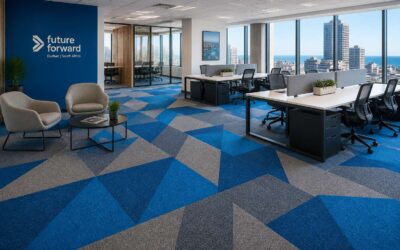
From a bustling Sandton campus to a quieter Cape Town design studio, the case study unfolds with motion rather than stillness! In a modern workspace installation, staff reported sharper wayfinding and a lift in creative collaboration after the floor embraced a carpet tile quarter turn pattern. The pattern’s alternating diagonals subtly guide footsteps, while preserving openness, color clarity, and acoustic comfort in high-traffic zones.
- Guided pedestrian flow through directional shifts that feel intuitive
- Increased perceived space with rhythm that complements daylight
- Durable edges and clean seams that stay tidy in busy corridors
Inspiration from this example travels across South Africa, inviting designers to pair motion-inflected layouts with durable construction. The lesson: a simple rotation-based rhythm can elevate mood, guide focus, and still wear well underfoot through years of daily use.
Case study: boutique retail space featuring rotated tile patterns
Case studies from boutique spaces reveal how a carpet tile quarter turn pattern can redefine retail drama. A South African boutique uses rotated tile modules to guide flow with subtle diagonals, turning ordinary perimeters into navigable journeys. The result: sharper wayfinding, richer product focus, and durable seams that stay clean through busy hours.
Inspiration travels across the country, from Cape Town to Johannesburg, urging designers to pair motion-inflected layouts with sturdy construction. The lesson lingers: a simple rotation-based rhythm can lift mood and sharpen focus while wearing well over years of wear.
- Guided shopper flow through diagonal cues
- Increased perceived space with rhythmic repetition
- Durability and clean seams in high-traffic aisles
Case study: healthcare facility flooring with durable design
Healthcare interiors are more than aesthetics—they function as living systems. A well-planned floor can cut patient routing time and fatigue; a recent observation notes up to 25% faster movement in busy clinics when patterns cue direction. The floor is a quiet director, guiding steps with subtle diagonals that soothe and steer.
Case study: healthcare facility flooring demonstrates durable design in action. The team used a carpet tile quarter turn pattern to define circulation zones, resist heavy foot traffic, and keep seams clean despite frequent cleaning. The result is longer-lasting performance with a calmer, more predictable wayfinding experience for patients and staff.
- Slip resistance for wet corridors
- Vigorous seam durability
- Easy module replacement during maintenance
Translating this approach into South African healthcare spaces means fewer interruptions during shifts and a quieter, safer atmosphere for patients and caregivers. The pattern underfoot becomes a steady, almost watchful rhythm that supports care.
Case study: educational environment embracing pattern variety
A campus study reveals up to 18% faster wayfinding when floor patterns cue movement. In classrooms, libraries, and busy foyers, the carpet tile quarter turn pattern acts as a quiet guide, threading diagonal cues through spaces and inviting purposeful steps rather than random wandering.
- Defines learning zones with calm color blocks
- Guides circulation without shouting directions
- Supports flexible, quick-refresh layouts
In South Africa, this inspiration translates to lively, legible corridors that sustain focus and safety. The living cue remains in every corridor.
Design inspiration and trends roundup for patterned floors
Movement becomes memory: in a campus study, wayfinding improved by as much as 18% when the floor tells a quiet, legible story—astonishing, really. Inspired patterned floors speak a design language that guides without shouting.
Consider the carpet tile quarter turn pattern: it threads diagonal cues through corridors, creating pauses and purposeful steps. Designers pair calm color blocks with varied textures to sharpen focus while letting spaces breathe.
In South Africa, corridors become legible routes, balancing safety with fluidity as pattern-led paths weave through busy zones. A current roundup of design inspiration celebrates how rotation unifies large interiors while permitting flexible reconfigurations.
- Texture and lighting collaborate to reveal hidden depth
- Modular layouts that adapt to changing configurations
- Durable aesthetics maintained under high traffic

0 Comments