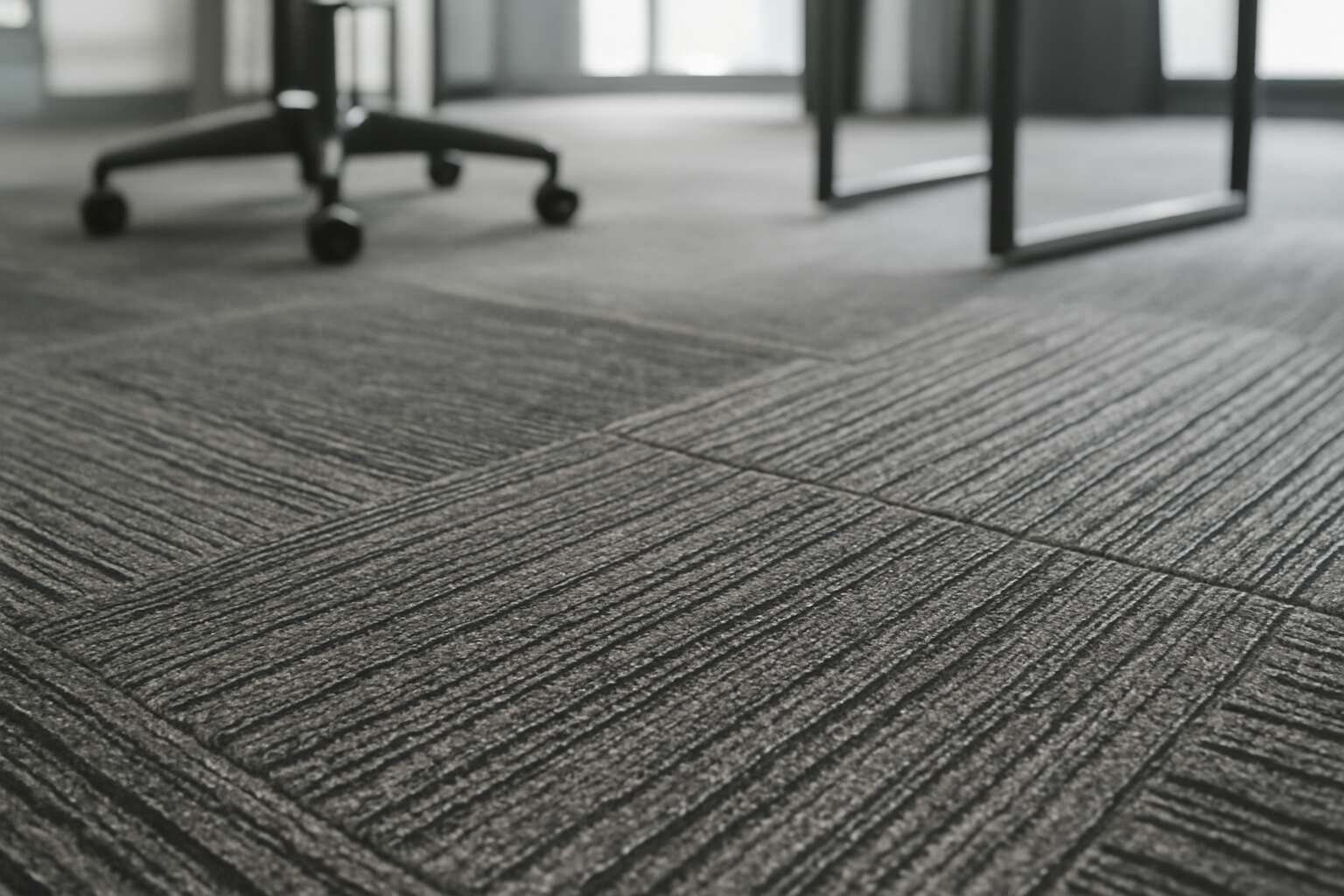
Carpet Tile Materials Overview
Definition and core components
Carpet tiles material quietly shapes spaces where ideas take root. In South Africa’s vibrant offices and hospitality hubs, modular tiles offer instant personality and faster installs. They bend time and footprint, letting a room evolve with the seasons and keeping waste delightfully low.
- Face fiber options: nylon, polypropylene, or PET for softness and resilience
- Backings: latex, bitumen, or polyurethane that anchor seams and manage moisture
- Adhesive or grout-free edges for clean, quick installations
- Sustainability: recycled content and low-VOC formulations
Behind these choices lie the core components that make carpet tiles material durable and design-friendly: a plush face, a sturdy backing, and clever lay patterns. I love how the right mix absorbs noise, welcomes traffic, and cleans with ease, delivering lasting beauty without fuss.
Base backing types and their impact
Behind the quiet footfall of a South African lobby lies a decision more decisive than colour: the base backing shapes moisture control, durability, and acoustic warmth. In open-plan offices and hospitality hubs, the right backing can soften sound, tolerate humidity, and extend life cycles. This is a key facet of carpet tiles material, where what lies beneath the surface matters as much as the texture above. Industry surveys suggest acoustic-friendly backings lift occupant satisfaction by up to 40%.
- Latex backing: cushioned comfort, good moisture management, easy tile replacement
- Bitumen backing: rugged durability, cost efficiency, moisture resistance
- Polyurethane backing: resilient under heavy traffic, enhanced underfoot feel, easier installation
Choosing the backing thoughtfully aligns installation realities with maintenance needs, delivering ongoing performance in South Africa’s varied climates while keeping a space stylishly understated.
Face yarn and pile options
In SA offices, the right carpet tiles material beneath the feet does more than set mood—it can lift occupant comfort by up to 40%, according to industry surveys. Face yarn and pile options define softness, resilience, and how it handles foot traffic. The right choice can feel luxurious yet shrug off coffee spills like a pro.
Face yarn choices set the tone:
- Nylon: tough, stain resistant, great for high-traffic areas
- Polyester (PET): soft underfoot, vibrant colorfast
- Wool blends: natural warmth, premium feel
- Olefin (PP): budget-friendly, colorfast in bright hues
These benefits hinge on the yarn and pile you select—translating into longer lifecycles and lower maintenance.
Face weight and overall tile composition
A recent industry study finds comfort improves by up to 40% under the right carpet tiles material. In South African offices, what lies beneath our steps shapes mood, acoustics, and endurance.
Face weight is the anchor of softness and resilience. It works with density and the overall tile composition to decide how a tile behaves under foot traffic, how easily it indents, and how long it holds color.
Key factors to weigh include weight, density, and backing, plus how the tile is used. For example:
- Face weight and tuft density
- Backing system compatibility
- Colorfastness and stain resistance
- Maintenance and replacement considerations
In the end, the carpet tiles material you choose should feel refined underfoot and align with acoustics and traffic, while proving economical over the lifespan.
Common finishes and fire retardants
In South African offices, the carpet tiles material you choose shapes mood, acoustics, and endurance beneath our steps. A recent industry study shows comfort can rise by up to 40% when the right finishes meet the right fibers. It’s more than aesthetics; it’s daily energy and a soft cushion that makes long corridors feel welcoming.
Common finishes and fire retardants—choices that stay true under South African office life—balance safety with texture. These decisions shape how the surface holds up through traffic, warmth, and the careful rhythm of cleaning routines.
- Flame-retardant finishes with low smoke emission
- Fluorine-free soil-release and easy-clean coatings
- Antistatic and antimicrobial surface protectors
Exploring these elements ensures the surface feels refined underfoot, complements acoustics, and remains economical over its life in bustling workplaces.
Common Carpet Tile Materials
Nylon carpet tiles and their benefits
“Durability is art under feet,” the showroom whispers, and nylon carpet tiles answer with steadfast grace. In the world of carpet tiles material, nylon stands as the quiet sentinel against traffic, fading, and grime—holding color while the floor does not.
I have watched its resilience weather storms of foot traffic and keep colors crisp after countless cleanings!
Key advantages include:
- Durability under heavy traffic
- Stain resistance and cleaning ease
- Colorfastness and long-lasting appearance
With modular tiles, replacement is simple, minimizing disruption and waste—a hallmark of nylon’s enduring character.
Polypropylene (OLEFIN) options and tradeoffs
In South Africa’s sunlit corridors, a carpet tiles material that keeps pace with daily life matters as much as style. Polypropylene (OLEFIN) stands out for its balance of cost and color—and its moisture resistance makes it ideal for spaces where spills are routine and maintenance is paramount.
Tradeoffs of polypropylene (OLEFIN) reveal themselves in performance and texture.
- Budget-friendly with strong colorfastness for many uses
- Excellent moisture resistance and easy cleaning
- Lower long-term durability under heavy traffic; softer feel may be lacking
- Wide color and pattern options, though some textures are less plush than nylon
For project planners, this option can be the anchor—a pragmatic choice where replacement ease and modularity matter more than opulence.
Polyester and blends for aesthetics and ease of cleaning
In South Africa’s sunlit corridors, carpet tiles material like polyester blends offers a marriage of aesthetics and practicality that workplaces crave. A soft hand and vibrant color meet easy upkeep, helping spaces stay inviting without breaking the budget. “Color is a silent ambassador,” designers note, and these fibers deliver that quiet persuasion.
They shine in three ways:
- Vivid, fade-resistant color from solution-dyed polyester
- Soft underfoot feel with resilient performance
- Easier cleaning and stain resistance in blends with nylon or other fibers
For high-traffic settings, polyester blends balance durability with plush aesthetics, while routine cleaning keeps the showroom look intact—proof that comfort and practicality can walk hand in hand.
Natural fiber alternatives like wool and sisal blends
In SA offices, the quiet superiority of carpet tiles material crafted from natural fibers is turning heads and tipping toes in the right direction. Wool and sisal blends give warmth underfoot and a tactile, sustainable vibe that plastics can’t match. “Natural fibers are the heartbeat of a good space,” notes a South African designer, and these blends deliver that quiet resonance even in bright corridors.
Here are some advantages:
- Natural warmth and texture without shouting color
- Durability with proper blends and protective finishes
- Lower environmental impact when responsibly sourced
When selecting, consider blend ratios, backing compatibility, and maintenance expectations; natural fibers can pair with modern backings for resilience without sacrificing character.
Recycled content and eco-friendly materials
“Sustainability is not a trend; it’s a responsibility,” a SA designer says. In South Africa, the carpet tiles material shift toward recycled content reshapes offices, turning waste into color and story. This moment proves that style and stewardship can share a single floor.
Recycled content comes in many forms:
- Post-consumer recycled nylon fibers
- Recycled PET bottle fibers for vibrant, durable surfaces
- Low-emission, bio-based binders and adhesives
This approach offers warmth and responsibility, appealing to designers and facilities managers alike.
Performance and Durability by Material
Wear resistance and tuft density considerations
The carpet tiles material performance lives or dies in the fine print—tuft density and wear resistance are the not-so-sexy metrics that decide if a lobby keeps its polish after a year of foot traffic. In bustling spaces, a tile with robust fiber and compact tufts resists flattening, shading, and the odd spill with equal aplomb, beating the odds of early replacement.
Wear resistance hinges on more than fiber alone. Dense tufts distribute footfall and resist abrading surfaces, keeping patterns legible and colours true longer in busy environments across South Africa.
- Tuft density per tile
- Pile height relative to traffic
- Fiber resilience (Nylon/Olefin/Polyester)
- Maintenance compatibility
Stain resistance and soil hiding properties
In a six-figure lobby in South Africa, a single spill can seal a future—unless the carpet tiles material fights back!
Stain resistance and soil hiding are the quiet guardians that keep colours true and patterns legible after a tide of feet. I’ve watched nylon endure ink and coffee while other fibers falter, turning a ruin into rumor rather than ruin.
- Stain resistance that repels common spills, preserving hue and texture.
- Soil hiding properties that mask traffic patterns between cleanings.
- Maintenance compatibility that supports gentler cleaning routines and familiar products.
This is the essence of performance and durability by material, where stain resistance and soil hiding become the unsung metrics, turning daily footwork into a durable, dark hymn.
Colorfastness and fade resistance under light exposure
“Color is life in a room,” the designer whispered, and the sun can write over it with light and time! The carpet tiles material that embraces colorfastness keeps hues faithful where many fabrics fade. In a six-figure lobby, such perseverance is faith that a palette can endure the rhythm of feet.
Colorfastness to light measures how hues resist fading under UV and indoor lighting. We source materials that honor this truth; the best options use UV-stable dyes and secure fixation that anchor color to the fiber. The result is sustained hue through long days.
- UV-stable dye chemistry and secure fixation that prevent color migration.
- Backing and fiber choice that resist micro-movement and texture loss under light.
- Protective finishes that shield the surface from bright daylight and heat aging.
In South Africa, where design meets endurance, colorfastness under light exposure is the silent vow of the floor—an elegy to durable beauty.
Acoustic and thermal insulation performance
“Sound is the silent language of a room,” a designer notes, and in SA’s bustling spaces the right carpet tiles material can turn a noisy corridor into a calm spine of design. Acoustic and thermal performance quietly shape comfort, guiding where feet land and conversations soften. In Cape Town and Joburg, this balance translates into fewer distractions and smarter energy use.
Consider these performance facets when evaluating options:
- Acoustic absorption that dampens footsteps and chatter for more focused interiors
- Thermal insulation contributions that reduce heating and cooling demand
- Moisture resistance and durability across SA climates and humidity levels
- Resilience to wear, staining, and routine cleaning without losing shape
In the end, the material choice for carpet tiles defines how spaces feel—quiet underfoot and warm to the eye.
Maintenance and cleaning frequency by material
“Durability is the quiet workhorse of any space,” a facility manager notes. In SA’s busy offices, carpet tiles material that cleanly holds up can cut maintenance twice as much as you expect. The right choice saves time and keeps rooms calm underfoot.
Maintenance and cleaning frequency should align with the fiber, backing and tile construction. Nylon stands out for daily traffic; a quick vacuum and spot clean keep the look sharp, with a deep clean every 6–12 months to refresh pile height and bounce.
Other materials demand different rhythms:
- Nylon: daily vacuum, instant spot clean, deep clean every 6–12 months.
- Polypropylene: regular vacuuming, low-moisture cleanings, annual extraction.
- Polyester blends: routine spot cleaning, periodic extraction, gentle maintenance.
Sustainability, Health, and Certifications
Recyclability, end-of-life options, and take-back programs
Carpet tiles material choices shape a building’s footprint from the ground up. When a tile is designed for recyclability, its backing, yarn, and adhesives join forces to extend its life and ease recovery. In South Africa, Green Star SA incentives reward materials that champion low waste and responsible sourcing. The loop is real—closing the gap between installation and reuse.
Health matters: low VOCs, minimal odour, and safe binders support indoor air quality without compromising performance. Certifications that verify emissions help specifiers pick tile options that protect occupants while delivering durability.
Take-back programs close the loop. End-of-life options reduce landfill pressure and offer paths to reclaimed components or new feedstock. A transparent pathway keeps the story moving—from installation to reuse.
- Recycling into new tiles or insulation
- Remanufacturing of components for reuse
- Take-back program logistics and eligibility
VOC emissions and indoor air quality implications
Healthy buildings begin on the floor, and the carpet tiles material we choose shapes a building’s footprint from the ground up. In a city awakening to cleaner air, sustainability whispers through backing, yarn, and adhesives alike. When design prizes low waste, tile systems designed for recyclability extend life and invite new cycles of reuse. In South Africa, Green Star SA incentives reward materials that champion responsible sourcing and minimal waste.
Health matters: low VOCs, minimal odour, and safe binders support indoor air quality without compromising performance. Considerations include:
- Low VOC emissions and minimal odour thresholds that meet international standards
- Formaldehyde-free binders and reduced off-gassing for occupant comfort
- High recycled content and safe adhesives that preserve air quality
Certifications that verify emissions help specifiers pick tile options that protect occupants while delivering durability. In South Africa, Green Star SA and trusted emissions labels provide a clear signal for interior environments. The journey from manufacture to reuse remains visible, keeping the story alive on every floor.
Certifications to look for (CRI, GCI, GreenLabel, etc.)
Sustainability begins underfoot with carpet tiles material choices that shape a building’s footprint and its future. We chase circularity: modular tiles designed for take-back schemes, recyclable backings, and manufacturing that trims energy and waste from day one.
Health matters under every hallway. Odour control, formaldehyde-free binders, and safe adhesives keep spaces comfortable without sacrificing performance. We keep an eye on occupant comfort because spaces you can breathe in are worth the extra mile!
Certifications provide a verifiable trail from factory floor to finished tile. Look for:
- CRI Green Label Plus (emissions standard for carpets)
- GCI certification
- GreenLabel certification
- Green Star SA
These marks simplify choosing carpet tiles material that performs while keeping indoor air fresh.
Recycled content and lifecycle assessment
Carpet tiles material decisions matter more than ever as people spend up to 90% of their time indoors, shaping air quality and resource use.
Sustainability begins underfoot with modular tiles designed for take-back schemes, recyclable backings, and manufacturing that trims energy and waste from day one. We chase circularity—tiles that can be repaired, repurposed, or returned.
Health matters under every hallway. Odour control, formaldehyde-free binders, and safe adhesives keep spaces comfortable without sacrificing performance. We all want spaces you can breathe in!
Certifications provide a verifiable trail from factory floor to finished tile. Look for:
- CRI Green Label Plus (emissions standard for carpets)
- GCI certification
- GreenLabel certification
- Green Star SA
Recycled content and lifecycle assessment help compare options beyond initial appearance. Lifecycle data tracks energy, water, and emissions from cradle to grave, guiding responsible choices for our South African environments.
Sustainable installation practices and adhesives considerations
Sustainability starts underfoot—indoor spaces capture up to 90% of our time, and the carpet tiles material you choose can tilt energy use toward circularity in SA. Modular tiles invite take-back schemes and recyclable backings, cutting waste from day one, while life extends through repairable, repurposable design.
Health matters under every hallway. Odour control, formaldehyde-free binders, and safe adhesives keep spaces welcoming without compromising performance. I want environments you can breathe in—clean air underfoot.
Certifications offer a verifiable trail from factory floor to finished tile. Look for CRI Green Label Plus, GCI, GreenLabel, and Green Star SA as guides.
Sustainable installation practices and adhesives considerations ensure gains stay in place. Use low-VOC, solvent-free adhesives; plan for waste minimization; specify backing-compatible products designed for longevity.
- Low-VOC, water-based adhesives and sealants
- Recycled-content backing and efficient waste management
- Careful layout to reduce offcuts and extend tile life
Cost, Installation, and Care
Cost ranges by material type and tile format
Cost is where carpet tiles material reveals its personality. In SA, price ranges mirror fiber and format. Polypropylene 50×50 cm starts ~R250–R450/m2, polyester ~R350–R600/m2, nylon R500–R900/m2, and wool near R900–R1500/m2. Tile format matters: 60×60 cm modules can shift edge-trimming costs.
- Nylon: R500–R900/m2
- Polypropylene: R250–R450/m2
- Wool: R900–R1500/m2
Installation costs depend on format and subfloor prep. Locking tiles install quickly; adhesive-backed versions need more prep. 50×50 cm and 60×60 cm formats affect waste and trimming, while underlay or moisture barriers add a modest premium.
Care costs hinge on fibre resilience. Regular vacuuming, prompt blotting, and periodic deep-cleaning keep beauty without breaking the bank. Polypropylene is generally lowest-maintenance; wool demands more, but soil hiding and tuft density can reduce cleaning frequency in busy spaces.
Installation methods (gridded, peel-and-stick, or modular systems)
Cost for carpet tiles material in SA follows fiber and format; premium fibers and larger modular layouts push the price higher, while entry-level blends keep budgets approachable. Edge trimming, underlays, and installation downtime all tilt the final total, rewarding careful planning and smart format choices.
Installation methods shape speed, waste, and disruption in everyday spaces. Gridded installations align with a fixed grid; peel-and-stick versions offer swifter upgrades with minimal prep; modular systems click together for clean, scalable layouts. The right method can save time and trim professional costs.
- Gridded
- Peel-and-stick
- Modular systems
Care for carpet tiles hinges on fiber resilience and routine. Regular vacuuming, prompt blotting, and periodic deep-cleaning keep colour and pile alive. Polypropylene tends to be the easiest to maintain; wool, while more demanding, rewards with soil hiding and tuft density in busy environments.
Impact of backing and installation on acoustics
Bold spaces sell quiet—acoustic backing can trim impact noise by up to 20% in busy South African offices. When evaluating carpet tiles material, you’ll see price ladders tied to backing density and underlay thickness. Premium backing and dense underlays raise upfront costs but reduce disruption and long-run acoustic penalties in open-plan zones.
Installation method matters as much as the tile itself. A tight grid with staggered seams and edge tapes can minimize rattle and hollow spots, while peel-and-stick or modular systems alter the transmission paths. The right backup and installation approach can soften footsteps, absorb reverberation, and shrink downtime costs.
Care routines that preserve pile structure defend acoustics; vacuuming depth, moisture control, and prompt stain management prevent tuft crush that muffles absorption. Proper cleaning keeps the carpet tiles material performing as designed, maintaining a consistent acoustic profile and avoiding costly reworks.
Maintenance routines and recommended cleaning products by material
Cost comes first when weighing carpet tiles material options. In South Africa’s busy offices, backing density, tile size and underlay thickness push upfront prices, but they also shrink downtime and long-run acoustic penalties in open-plan zones.
Installation matters as much as the tile itself. A tight, gridded layout with staggered seams and edge tapes reduces rattle, while peel‑and‑stick or modular systems reshape transmission paths and speed up fit-out.
Care routines defend acoustics and durability. Regular vacuuming, moisture control and prompt stain management keep tuft integrity intact, so the carpet tiles material performs as designed under foot traffic. Use cleaning products tailored to the material for best results:
- Nylon: pH-neutral cleaner; low-moisture extraction; enzyme stain remover
- Polypropylene: mild detergent; non-bleach cleaner; water-based stain remover
- Polyester: gentle detergent; color-safe stain remover
Longevity and replacement planning for commercial vs residential
South Africa’s busiest offices know cost is more than a sticker price—it’s the long-lived chorus of downtime and maintenance. The carpet tiles material you select shapes foot traffic, acoustics, and durability, turning a single upfront spend into ongoing value or hidden expense.
Installation matters as much as the tile itself. A tight, gridded layout with staggered seams and edge tapes reduces rattle, while peel‑and‑stick or modular systems reshape transmission paths and speed up fit‑out.
- Gridded, staggered seams with edge tapes for quieter open-plan zones
- Peel‑and‑stick or modular systems for rapid deployment
- Flexible reconfiguration to accommodate future space changes
Care longevity and replacement planning: The choice you make dictates maintenance needs and the pace of updates. The carpet tiles material you choose also shapes replacement rhythm in commercial spaces with modular tiles, and in residential settings, colorfastness and wear patterns guide updates.

0 Comments