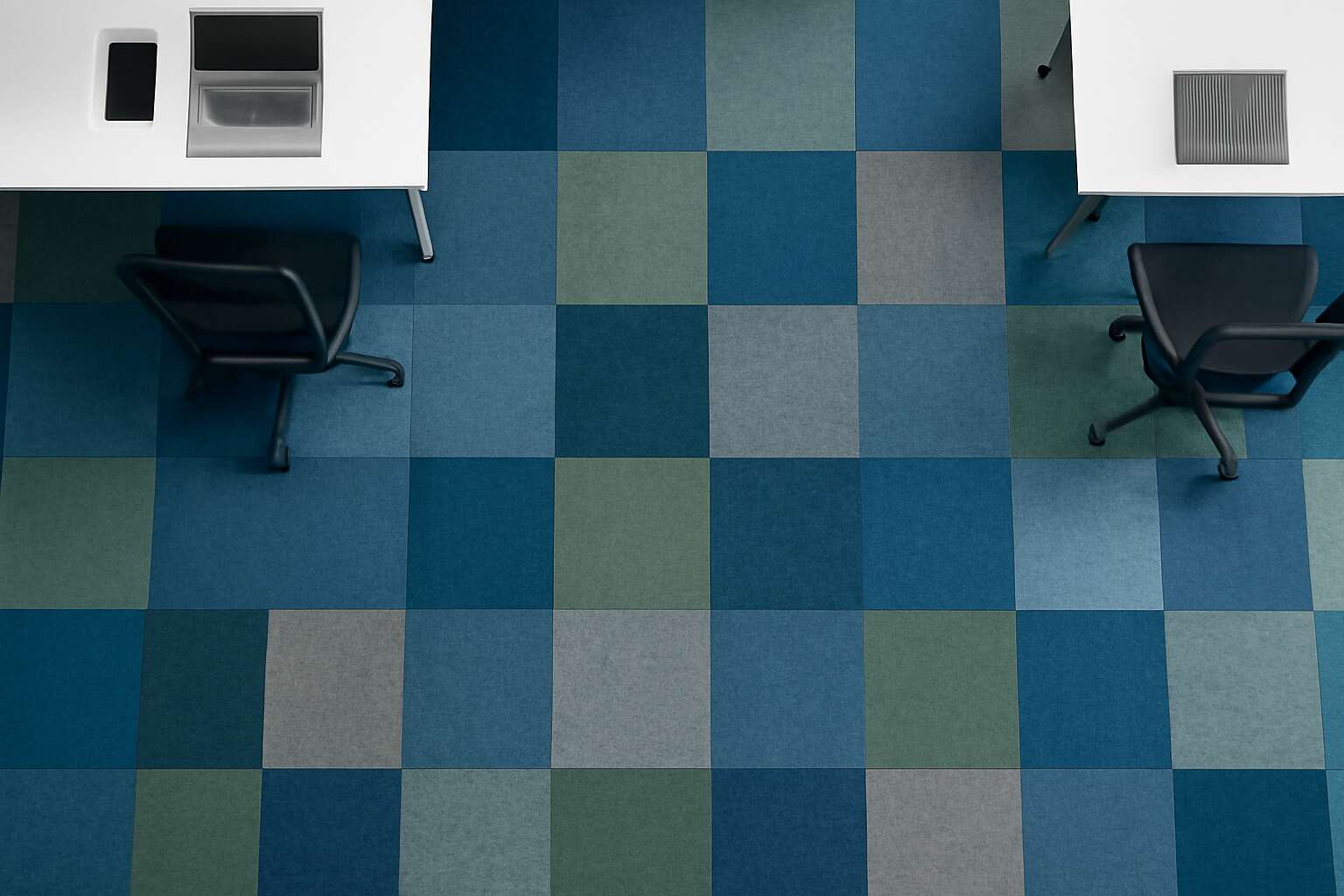
Tile-Based Carpets: Understanding the Concept
Definition and core benefits
In the dim glow of a boardroom, carpet tiles rise like careful whispers, modular and forgiving. A recent industry survey found that 72% of facilities managers in South Africa prefer this modular solution for quick updates and easier maintenance. They’re not just flooring; they are a code for change, reweaving spaces without uprooting walls or dreams!
Tile-based carpets are modular panels that snap into a grid. Each tile features a durable backing and a cushioned surface, with a face fabric that captures the texture of broadloom but offers the easy replacement of a single tile rather than the whole floor. The core benefits include resilience to heavy traffic, flexible layouts, and lower downtime during updates.
- Durability that shrugs off constant use
- Design flexibility through diverse colors and patterns
- Cost efficiency from simple, targeted replacements
Where tile-based carpeting shines
In South Africa’s bustling offices, carpet tiles quietly rewrite the rules of space. A growing chorus of facilities managers champions modular updates for quick, poised transformations—72% in a recent survey—turning floors into a living canvas. Tile-based carpets are not just coverings; they’re a design dialect, offering rhythm, texture, and the promise of change without upheaval.
Structured in a grid, tiles snap into place, inviting selective swaps that preserve the room’s character while refreshing its mood. This concept blends practicality with artistry, turning maintenance into poetry rather than ordeal. To illustrate the flow:
- modularity that supports evolving work zones
- rapid, targeted replacements with minimal downtime
In this way, carpet tiles become a flexible stage for South African workspaces—cozy underfoot, resilient in traffic, and tuned to the cadence of teams that shift with projects and people.
Differences from traditional broadloom carpets
In the shadowed glow of South African offices, carpet tiles offer a quiet rebellion against sameness. A recent SA facilities survey shows 72% champion modular updates, turning floors into evolving landscapes. I’ve watched how this tile-borne alphabet bends to a modular rhythm—unlike traditional broadloom, tile-based systems invite selective swaps, letting the scene shift without a full replacement.
We glimpse a design dialect where a whole room once wore one texture, but these tiles let you patch, layer, and breathe without upheaval! This is maintenance transformed into a poem of choice, not chance, and I’ve seen walls, floors, and moods shift with the same stamp of geometry.
- Modularity that follows evolving work zones
- Rapid, targeted replacements with minimal downtime
Common sizes and formats
In South Africa’s bustling offices, 72% embrace modular upgrades, turning floors into evolving landscapes. Understanding carpet tiles means seeing tiles as a palette, not a monolith. Each tile acts as a note in a living floor plan—swap a piece, patch a stain, or recalibrate a zone with minimal downtime. The concept is less about surface and more about a narrative of space that shifts with your work rhythm.
Common sizes and formats include:
- 500 × 500 mm (approximately 20 × 20 in)
- 600 × 600 mm (roughly 24 × 24 in)
- 1000 × 1000 mm (1 × 1 m) large-format squares
Within these formats, you can arrange herringbone, checker, or random patterns to add texture without overwhelming the room. Durable and easy to maintain, these formats offer quiet confidence for commercial spaces.
Materials and Aesthetics for Modular Tile Carpeting
Material options and sustainability
Flooring that whispers and endures can reshape a room’s mood. In South Africa’s bustling offices and quiet sanctuaries, carpet tiles cut waste and noise—studies suggest up to 25% savings in maintenance when sustainability guides selection.
Material options span nylon, recycled PET, and wool blends, each with a distinct aesthetic; the right fiber pairs with backing and color to create a narrative—tiles that move from moody charcoal to sunlit taupe.
- Nylon with recycled content
- Post-consumer recycled PET fibers
- Wool blends for warmth and resilience
- PVC-free backing and low-VOC adhesives
Sustainability and longevity ride in tandem, from backing that’s PVC-free to low-VOC adhesives and simple replacement of worn tiles. In South Africa, local manufacturing and recycling programs help extend a tile’s life and ease end-of-life management.
Color, texture, and pattern considerations
A floor that speaks softly can anchor a room’s memory, and in South Africa’s offices that whisper matters. In practical terms, carpet tiles can cut visual noise and fatigue, with teams reporting up to 20% quieter conversations in well-balanced spaces.
Color becomes a mood, moving from moody charcoal to sunlit taupe as textures add depth—think tightly woven loops, plush cut-pile, or a tactile felt. Patterns, kept small at high-traffic zones or bolder in entryways, create rhythm without shouting.
Consider these cues:
- Color harmony across adjacent zones to guide movement
- Pattern scale relative to room size and light
- Texture and sheen to reflect daylight or artificial light
With carpet tiles, you can mix and match color, texture, and pattern to tell a room’s story, while the backing and installation ensure comfort remains a given and not an afterthought.
Tile shapes and arrangement patterns
We anchor rooms with the quiet authority of materials that endure. In modern offices, teams report up to 20% quieter conversations in well-balanced spaces—the evidence that materials make a soundscape. Carpet tiles blend resilient fibers—nylon, PET, and recycled content—with tough backings that cushion footsteps and dampen noise. Texture and sheen become the real protagonists, guiding the eye without shouting, and inviting a room to tell its story in soft, deliberate beats.
Shape, pattern, and placement are design instruments. Square grids offer calm logic; hexagon and diagonal arrangements spark rhythm and movement.
- Square layouts for timeless order
- Brickwork offsets that mimic urban rhythm
- Diagonal or herringbone patterns to energize corridors
The result refracts light differently, amplifying daylight or lamp glow, while these tiles become a living mosaic.
We celebrate how carpet tiles balance durability, sustainability, and poetry in office foyers and open-plan spaces.
Mixing textures and color blocking
Carpet tiles do more than cover floors; they shape the room’s voice. In busy South African offices, textures speak softly underfoot, pairing the quiet durability of loop with the plush hush of cut-pile. Color blocking becomes a subtle poem—zones emerge without drama, guiding feet and focus through the day’s varied rhythms.
To orchestrate the feel, consider these texture pairings:
- Textured loop paired with smooth cut-pile for tactile contrast
- Matte blocks accented by a whisper of sheen to catch daylight
- Dense, low-pile edges anchoring high-traffic zones
Mixing textures and color blocking in carpet tiles lets a space breathe, from reception to boardroom. The floor becomes a living narrative—calm, efficient, and distinctly local to South Africa’s light and rhythm!
Installation Techniques and Layout Planning for Modular Carpets
Preparation and subfloor requirements
A sharp layout and solid installation can make a space feel open, productive, and easier to maintain. In South Africa, the right approach to carpet tiles can shave weeks off a project and curb noise in busy areas. A facilities manager once said, “The layout is the plan; the tiles do the talking.” When the grid aligns with doors and work zones, seams disappear into the design and the room reads with confidence.
Installation techniques and layout planning go hand in hand. Start with a clean, consistent grid and plan transitions where foot traffic concentrates. Consider lighting and furniture placement as you map tile edges.
- Subfloor flatness and cleanliness
- Underlayment compatibility and moisture control
- Edge alignments with walls and door thresholds
Subfloor preparation and requirements are non-negotiable. The subfloor should be clean, dry, and level within tolerance; moisture checks help prevent problems in humid climates. When these checks align with carpet tiles, the result is a durable, uniform finish.
Adhesive types and installation methods
The grid is the backbone of a calm, productive space. In South Africa’s busy offices, carpet tiles shine when the layout is decisive and seams stay out of sight. A facilities manager said, “The layout is the plan; the tiles do the talking.” When rows align with doors and work zones, the room reads with confidence.
Adhesive types and installation methods keep the plan honest. Options range from quick, low-odor pressure-sensitive adhesives to durable glue-down dispersion systems. Locking or peel-and-stick modules offer fast reconfigurations.
- Pressure-sensitive adhesives for fast, low-odor installs
- Glue-down dispersion adhesives for long-term performance
- Locking or peel-and-stick systems for easy changes
Map tile edges to walls, thresholds, and high-traffic zones. Consider lighting and furniture footprints so transitions read as a seamless rhythm. The result is a cohesive space from doorway to doorway.
Layout planning and alignment tips
In South African offices, a clean grid isn’t just neat—it’s strategic. A facilities study shows that spaces designed with carpet tiles enable faster reconfigurations when layouts change. Start with a decisive plan: map tile edges to walls, thresholds, and high-traffic zones, then choreograph transitions with doorways and sightlines. Lighting and furniture footprints should guide seam placement so the rhythm travels smoothly from doorway to doorway, the grid whispering through busy lobbies and open-plan zones.
- Edge alignment with doorframes and major walkways to reduce awkward cuts
- Seam placement that minimizes visibility in high-traffic areas
With this discipline, transitions read as a single, calm corridor, carrying footfalls from entry to exit.
Edge trimming and transition solutions
A recent facilities study shows spaces laid with carpet tiles can be reconfigured up to 40% faster when layouts shift. That’s not just efficiency; it’s momentum. Installation techniques for modular carpets must respect lines, transitions, and foot traffic. In South African offices, edge trimming and clean transitions help the grid breathe. When edges meet doorframes and major walkways, the result is a calm, predictable rhythm from entrance to exit.
- Edge trimming that aligns with wall lines
- Seam placement that hides busy intersections
- Transition profiles for door thresholds
- Nominal gaps and compression zones for flexibility
Layout planning informs how lighting and furniture footprints guide seam placement. The aim is seamless movement, where the rhythm carries the eye along sightlines and corridors rather than interrupting them. This approach creates a professional, cohesive floor that adapts as needs change.
DIY vs professional help
Momentum in an office space hinges on how you install it. DIY can feel economical for small areas, but carpet tiles demand precision to keep lines crisp and transitions seamless. In many South African offices, seasoned installers balance speed with a quiet discipline that preserves the grid’s honesty and avoids visual hiccups across busy floor plates.
Layout planning shapes how lighting and furniture footprints dictate seam placement, guiding the eye along sightlines rather than interrupting them. The result is a cohesive rhythm underfoot, a floor that breathes with the room rather than fighting it; it becomes a collaborative canvas for change rather than a fixed pattern.
- DIY feasibility versus professional timelines
- Budget, scheduling, and space constraints
- Warranty, service, and ongoing maintenance
Maintenance, Cleaning, and Durability for Tile Cushioned Floors
Cleaning routines by material type
“A well-kept floor is the quiet engine of a home,” a sentiment heard in rural kitchens across South Africa. Carpet tiles simplify maintenance, staying tidy with less effort and fewer tools than traditional flooring, while delivering lasting warmth and texture.
Cleaning routines differ by material type to protect color and texture in busy rooms. Here are general traits for common carpet tiles:
- Nylon carpet tiles: renowned for wear resistance and color retention
- Polypropylene (olefin) carpet tiles: strong stain resistance and moisture tolerance
- PET or polyester carpet tiles: a softer feel with eco-friendly options
Durability comes from a cushioned core and modular design. Carpet tiles handle high traffic, absorb impact, and offer easy replacement of worn sections without a full floor redo. In homes across South Africa, this blend of resilience keeps spaces inviting and durable.
Stain resistance and spill management
Spill after spill, the room keeps its tempo. Carpet tiles offer stain resistance baked into every fiber and a cushioned core that softens footsteps while absorbing impact. In bustling homes, durability comes from a modular design that allows worn sections to be refreshed without a full floor redo, keeping South African spaces inviting and enduring.
The maintenance philosophy of carpet tiles is gentle on upkeep and long on color retention. This is where stain resistance and spill management shine:
- Stain resistance and moisture tolerance preserve color in busy rooms
- Modular design enables targeted replacement while keeping texture uniform
- Durable cushioned core dampens wear and absorbs impact
In South African homes, the fusion of soft texture with rugged performance means spaces stay welcoming with fewer interruptions to daily life.
Wear patterns and replacement strategies
In South Africa’s busy living rooms, floors must match the tempo of everyday drama. Carpet tiles offer modular resilience that keeps spaces inviting—able to pace with spills, footfalls, and the subtle tempo of family life.
Maintenance reveals itself in texture and resilience. The cushioned core softens steps while the surface hides micro-marks, preserving colour in high-traffic areas.
- Wear patterns indicate zones to refresh without a full floor swap
- Tile-by-tile replacement preserves texture and colour uniformity
- Edge wear and seam integrity guide transitions and trims
Durability becomes a deliberate design choice: targeted renewal keeps rooms coherent, reduces downtime, and extends the life of the space, letting daily life continue with minimal disruption.
Maintenance schedules and long-term care
Footsteps become familiar weather in a busy South African home—”Every footprint tells a story,” my grandmother would say—and carpet tiles stand up to that rhythm with grace. I see the warmth they bring to rooms juggling spills, laughter, and late-night arrivals.
Maintenance for tile cushioned floors focuses on preserving texture and colour. The cushioned core softens every step, while the surface camouflages micro-marks, keeping rooms looking cohesive even as life moves in and out. Cleaning rhythms stay gentle, inviting care without drama.
- Texture and colour preservation
- Seam and edge integrity
- Uniform look across zones
Durability becomes a design choice: targeted renewal maintains coherence, reduces downtime, and lets daily life continue with minimal disruption. When wear appears, the modular nature of carpet tiles enables quick, quiet refresh without a full floor swap.

0 Comments